.svg)





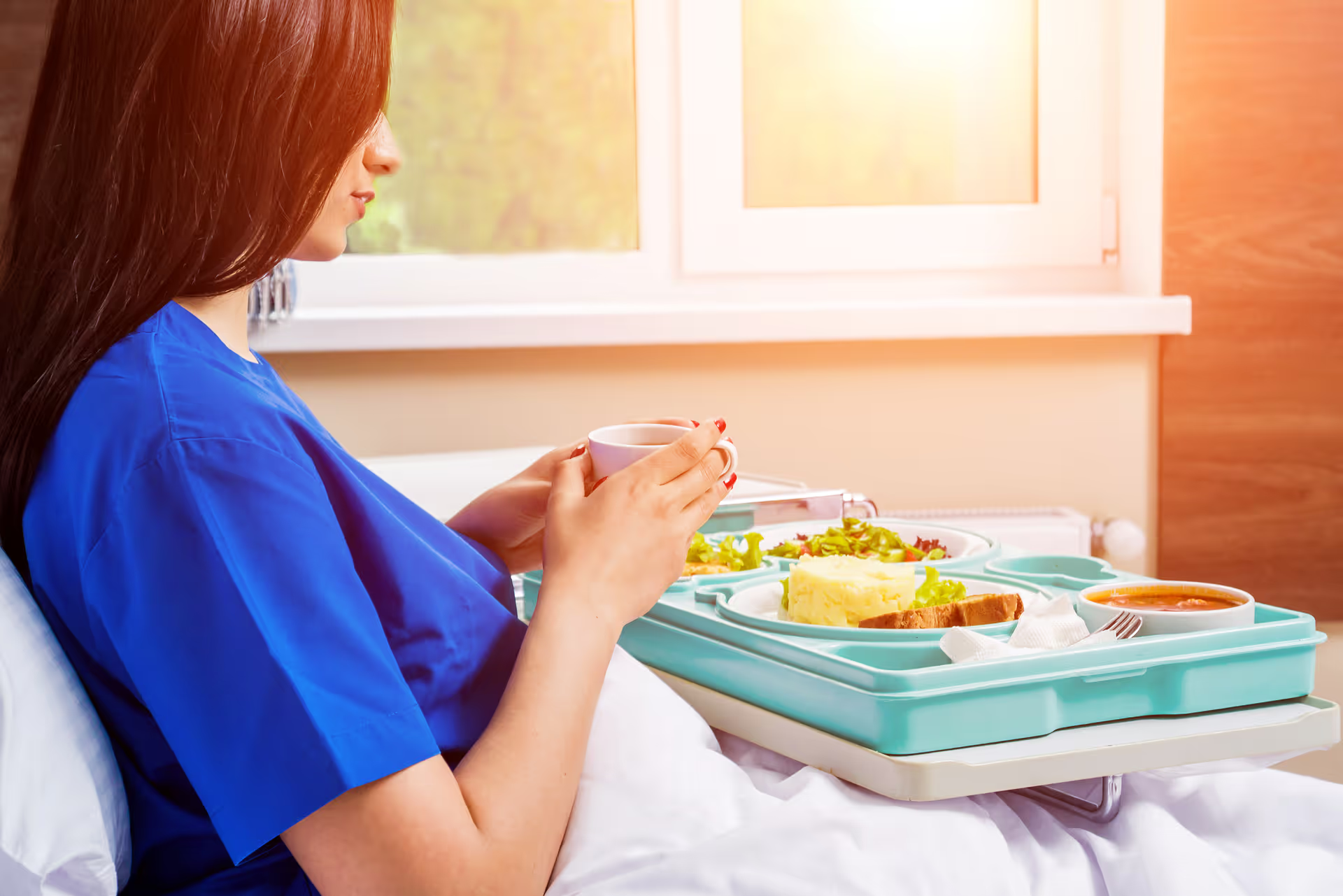
What you eat after All-on-X surgery plays a real and underappreciated role in how comfortably and how quickly you heal. The goal in the early days is simple: nourish your body well while protecting the surgical sites and your new teeth. This guide walks through what to eat at each stage of recovery, along with the foods to set aside for now. As always, your surgeon's specific instructions come first, so follow the guidance Dr. Stone gives you for your situation above any general advice.
Why Your Diet Matters After Surgery
In the early healing period, the surgical sites and newly placed implants need to be protected from pressure and disturbance. Chewing firm or crunchy foods too soon can irritate the area and interfere with healing. At the same time, your body needs good nutrition, especially protein, to repair tissue and recover well. A thoughtful soft-food approach satisfies both needs at once.
The First Few Days: Liquids and Very Soft Foods
In the beginning, stick to cool or lukewarm liquids and very soft foods that require no chewing at all. Good choices include smoothies eaten with a spoon rather than through a straw, yogurt, broth-based soups that are not too hot, blended or pureed soups, applesauce, and protein shakes. Avoid anything hot, since heat can increase swelling, and skip straws entirely, because the suction can disturb the healing sites. Even if your appetite is lower than usual, staying nourished and hydrated through this window genuinely supports your recovery.
The Soft-Food Phase
As you move past the first days, and with your surgeon's go-ahead, you can begin adding soft foods that need only gentle mashing or very light chewing. Reliable options include mashed potatoes, scrambled eggs, oatmeal, well-cooked and soft pasta, soft flaky fish, ripe bananas, avocado, cottage cheese, soft cooked vegetables, and tender stews. Continue to chew gently and favor the areas your surgeon advises while everything settles. Variety helps here, both for nutrition and for morale, since several weeks of the same few foods gets tiring quickly.

Foods to Avoid While You Heal
During the early healing period, it is best to steer clear of:
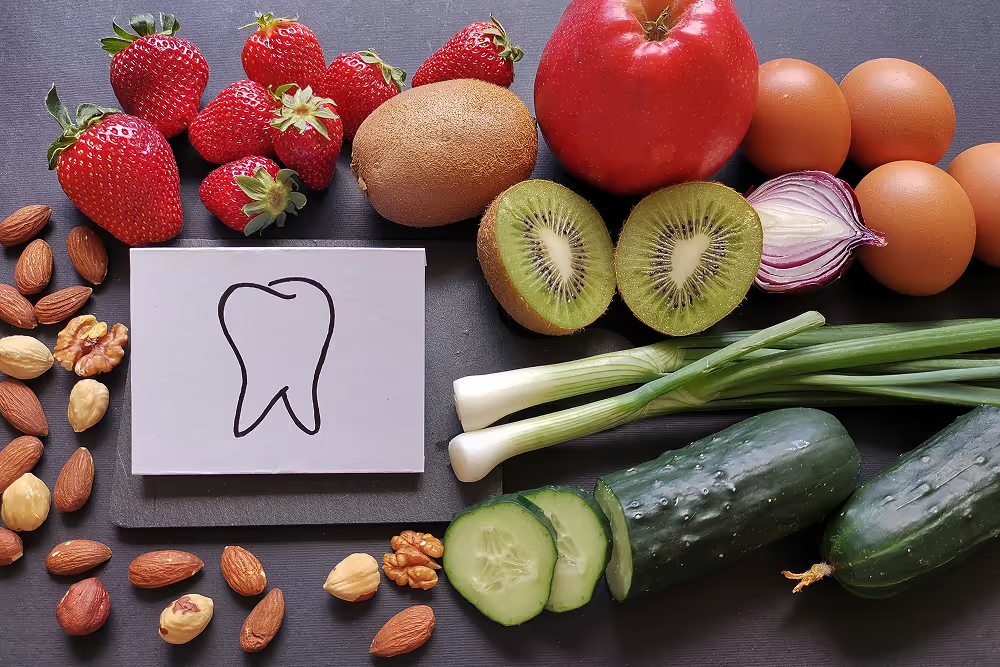
- Hard or crunchy foods such as nuts, chips, raw carrots, and crusty bread
- Chewy or sticky foods such as tough meat, caramel, and chewy candy
- Very hot foods and drinks, which can aggravate swelling
- Small, hard particles like seeds, popcorn, and rice that can lodge in healing sites
- Spicy or acidic foods that may irritate the area
- Alcohol, and avoid smoking entirely, as it slows healing significantly
Nutrition That Supports Healing
Healing draws on your body's resources, so this is a time to eat well rather than simply eat softly. Prioritize protein from sources like eggs, Greek yogurt, blended bean or lentil soups, soft fish, and protein shakes, since protein is essential for tissue repair. Include soft fruits and well-cooked vegetables for vitamins, and drink plenty of water throughout the day. If chewing limits your intake, nutrient-dense smoothies are an easy way to pack in protein, fruit, and healthy fats in a form that is gentle on your mouth.
Listening to Your Body
Every person heals on their own schedule, so let your comfort guide the pace at which you reintroduce foods. If something feels tender, sensitive, or simply too much effort to chew, that is a signal to ease back to softer options for a little longer. There is no benefit to pushing through discomfort, and no penalty for taking an extra few days at a gentler stage. Your mouth will tell you when it is ready for more, and your surgeon can confirm at your follow-up visits. Trusting that feedback keeps you comfortable and protects the healing that is happening underneath.
Transitioning Back to Normal Eating
Healing is gradual, and so is your return to a full diet. As your surgeon confirms your progress, you will slowly reintroduce firmer foods over the following weeks. Many patients are pleasantly surprised by how much chewing function their final restoration restores once healing is complete and the permanent teeth are in place. The patience you show in the early stages is exactly what protects that strong long-term result.
Simple Soft-Meal Ideas for the Day
Planning meals in advance makes the soft-food weeks far easier. For breakfast, scrambled eggs, oatmeal, or a protein smoothie work well. For lunch, try a blended vegetable soup, mashed avocado, or cottage cheese. For dinner, soft fish with mashed potatoes, well-cooked pasta, or a tender stew are satisfying options. Between meals, yogurt, applesauce, ripe banana, and protein shakes help keep your energy and nutrition up. Rotating through a variety of these keeps mealtimes from feeling monotonous while you heal.
Staying Comfortable While You Eat
A few small habits make eating more comfortable in the early weeks. Let hot foods cool to lukewarm before eating, take small bites, and chew slowly and gently on the areas your surgeon advises. If a food feels like it requires too much effort, set it aside for now and revisit it later in your recovery. There is no prize for rushing back to firm foods, and giving the sites time to heal protects your final result.
Keeping Your Mouth Clean After Meals
Food can gather around healing sites, so gentle cleaning after eating matters. Follow your surgeon's specific guidance, which often includes a careful saltwater or prescribed rinse rather than vigorous swishing in the early days. Keeping the area clean reduces irritation and supports healing, while a gentle touch ensures you do not disturb the surgical sites in the process.
A Few Practical Habits
Keep your mouth clean after eating exactly as your surgeon directs, since trapped food can irritate healing sites. Take small bites, eat slowly, and let temperature settle before eating anything warm. If a particular food feels uncomfortable or you are unsure whether it is safe yet, it is always fine to wait and ask. For any questions about your diet during recovery, call our team at 817-383-8361.
.avif)
