.svg)





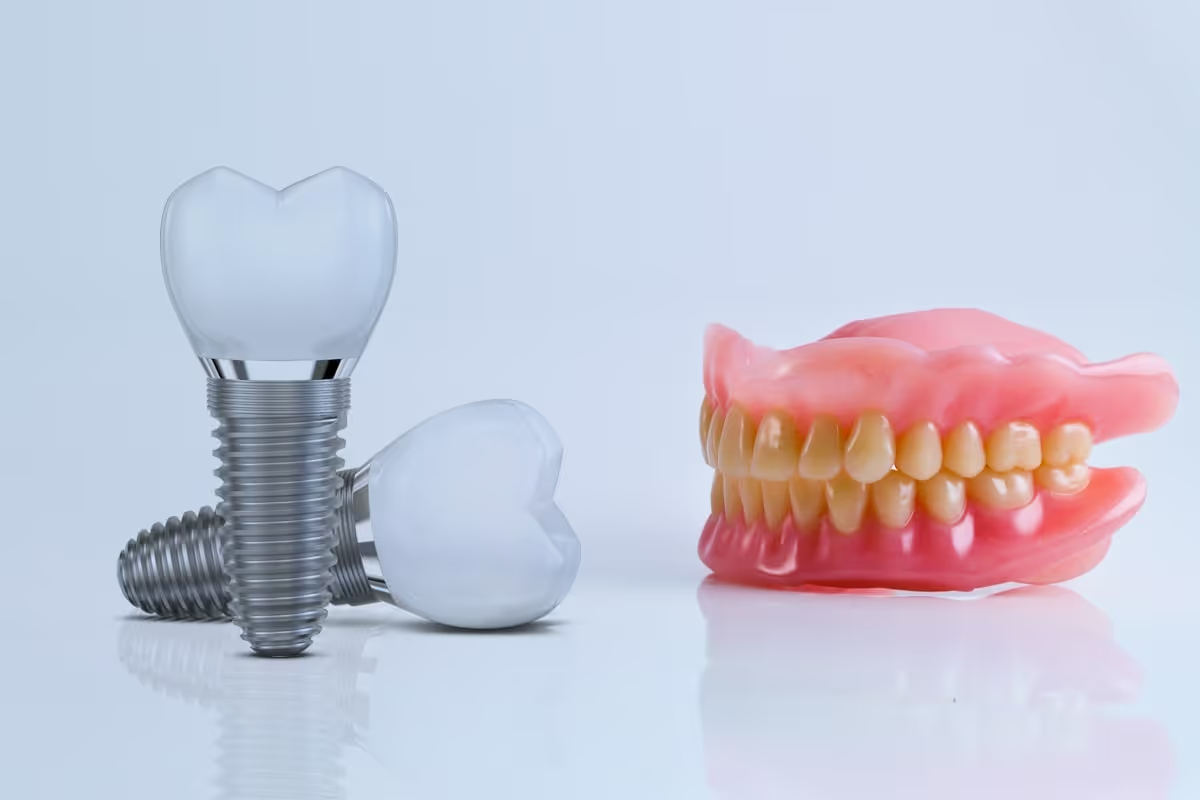
For generations, dentures were the only real answer to missing teeth. They still have a place in dentistry today, but they are no longer the only option, and for a great many people they are no longer the best one. Dental implants have changed what is possible, restoring not just the appearance of a full smile but the way you live with it every single day. If you are weighing dentures against implants, you deserve the full picture, including the parts that often get left out of a quick conversation in the chair.
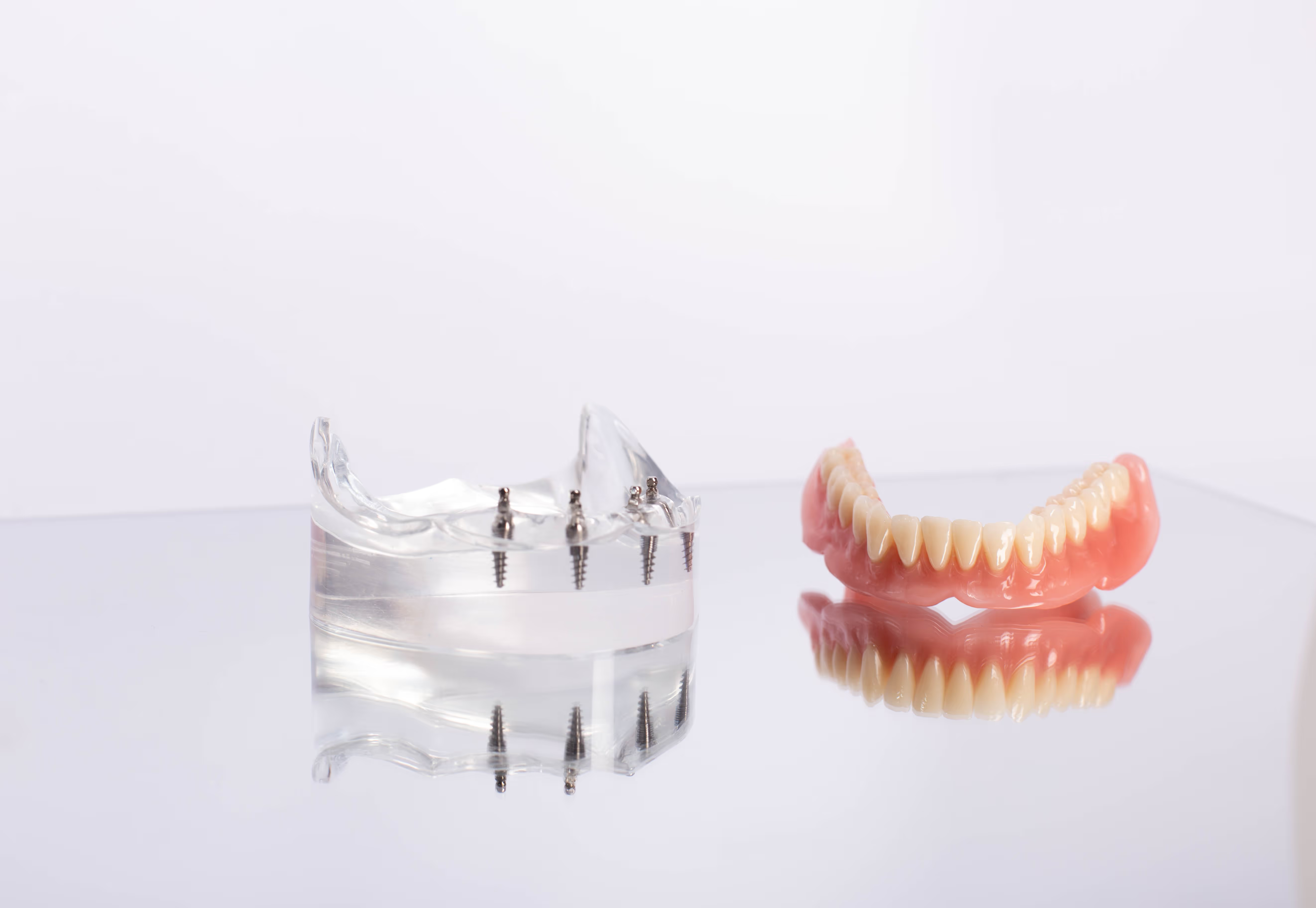
How Dentures Work
Dentures rest on top of your gums and are held in place by suction, adhesive, or clasps that grip remaining teeth. They restore the look of a complete smile and let you chew far better than having no teeth at all. They are non-surgical and usually represent the lower upfront investment, which is exactly why they have remained common for so long.
The trade-off lives beneath the surface. Because a denture only sits on the gum line, it does nothing to replace the tooth root. That matters more than most people realize. When a tooth is lost, the bone that once supported its root no longer receives stimulation, and the body slowly resorbs it. Over months and years, that bone loss changes the shape of your jaw and face, and it loosens the fit of the denture. This is why dentures often need relines, adjustments, or full replacement over time, and why long-term denture wearers can develop a sunken facial appearance.
How Dental Implants Work
A dental implant replaces the root of the tooth, not just the visible crown. A small, biocompatible titanium post is placed into the jawbone, where over a few months it fuses with the surrounding bone in a natural process called osseointegration. Once integrated, that post becomes a stable anchor that can support a single crown, a bridge, or an entire arch of teeth.
Because the implant lives inside the bone and transmits the forces of chewing into it, it does something a denture simply cannot: it keeps stimulating the bone so it stays healthy and preserves your facial structure. The result looks, feels, and functions remarkably close to natural teeth, and it does not rely on adhesives or come out at night.
The Comparison That Actually Matters
When you move past the surface and look at daily life, the differences between the two options become significant:
- Eating: Implants restore most of your natural bite force, so you can eat steak, apples, nuts, and the foods you actually enjoy. Dentures limit bite strength and can shift or click while you chew.
- Speaking: Fixed implants stay put, so your speech stays natural. Dentures can slip at the worst moments, which affects both speech and confidence.
- Bone health: Implants preserve the jawbone and the facial structure it supports. Dentures allow that bone to shrink steadily over time.
- Feel: Implants feel like a part of you. Many people forget they are even there. Dentures are removable and can feel bulky or cover the palate.
- Longevity: With proper care, implants are designed to last for decades, and many last a lifetime. Dentures are typically relined or replaced every few years.
- Confidence: Perhaps the least measurable but most meaningful difference. Patients consistently describe a return to eating, laughing, and speaking without a second thought.

Are You a Candidate for Implants?
Many people assume they are not eligible for implants because they have been missing teeth for years or were told they lack the bone for them. In reality, modern techniques have expanded who can benefit. Bone grafting can rebuild lost volume, and full-arch solutions like All-on-X are specifically designed to restore an entire jaw on as few as four to six implants, even for patients who have worn dentures for a long time. The only way to know your options is a proper evaluation that includes 3D imaging of your bone and anatomy.
An Honest Word on Cost and Value
Implants are a larger upfront investment than dentures, and an honest provider will say so plainly. But the better question is long-term value. Because implants preserve bone, restore real function, and are built to last, they often prove to be the more economical choice across the years rather than a series of denture replacements and relines. Financing options also make treatment more manageable than many people expect.
Common Myths About Dental Implants
A few persistent myths keep people from exploring implants. One is that implants are only for older adults. In truth, anyone who has lost a tooth and has finished facial growth may be a candidate. Another is that the process is unbearably painful, when in fact most patients describe the recovery as far easier than expected. A third is that implants look obviously fake. Modern restorations are crafted to match the color, shape, and translucency of natural teeth so closely that they blend in seamlessly. Finally, many believe they have waited too long after losing teeth to qualify. While bone loss can complicate matters, grafting and full-arch techniques have made treatment possible for a great many people who assumed the door had closed.
Living With Your Implants
One of the quiet pleasures patients report is how little they have to think about their implants day to day. There are no nightly removals, no adhesives, and no dietary restrictions once you are fully healed. You brush and floss as you would natural teeth, attend regular checkups, and otherwise simply live. That sense of normalcy, of no longer planning your meals or your laughter around a removable appliance, is often the benefit people treasure most.
The Stone Approach
At Stone Dental Implant Center, Dr. Mona Stone plans every case around your facial structure, jawline, and lip line, not simply the gap where a tooth used to be. That face-first philosophy is what turns tooth replacement into a result that looks and feels like you, rather than a generic set of teeth. One surgeon guides your care from the first consultation through the final restoration.
Dentures can still be a reasonable choice for some patients, and we will tell you honestly when that is the case. But if you want a result that protects your bone, restores your bite, and stays with you, implants are usually the stronger long-term investment. The best way to understand what is possible for your smile is a conversation. Schedule a consultation and get clear, personalized answers.

